

Understanding Metal Markets and Trading Opportunities Online
Metal markets attract traders for different reasons. Gold is often watched during periods of economic uncertainty, while silver, platinum, palladium, and copper can respond more directly to industrial activity, supply conditions, and changes in global manufacturing. For traders looking beyond traditional currency markets, understanding these differences is an important part of choosing suitable instruments and managing risk.
A modern metal trading platform gives traders access to metal CFDs without requiring physical ownership of the underlying asset. GTCFX provides access to CFDs on gold, silver, platinum, palladium, and other metal instruments, allowing traders to take positions based on their expectations of price movements.
What Drives Metal Prices?
Metal prices are influenced by several factors, and the balance between investment demand and industrial demand can vary significantly between instruments.
Gold is particularly sensitive to interest rate expectations, inflation, currency movements, and investor sentiment. When market participants become more concerned about economic or financial uncertainty, demand for gold can change quickly.
Silver has both monetary and industrial characteristics. Its applications in electronics, solar technology, and manufacturing mean that industrial activity can influence its price alongside broader financial market conditions.
Platinum and palladium have stronger connections to industrial demand. Both metals have important applications in automotive and manufacturing industries, meaning changes in production, technology, supply chains, and environmental regulations can affect their market outlook.
This distinction matters when metal trading online. Instead of treating all metals as similar assets, traders can examine the economic forces that influence each market before deciding how to approach a position.
Why Industrial Demand Matters in Metal Trading
Industrial demand can create a different price dynamic from that seen in traditionally investment-driven metals.
For example, platinum and palladium are used in automotive applications, particularly in emissions control systems. Changes in vehicle production, technological development, substitution between metals, and regulatory requirements can therefore influence demand.
Copper provides another useful example. Because it is widely used in construction, electrical equipment, manufacturing, and infrastructure, its price can be sensitive to expectations for global economic activity.
These relationships do not mean industrial demand will always determine price direction. Currency movements, interest rates, inventories, production levels, geopolitical developments, and investor positioning can all influence prices at the same time. Traders therefore need to consider multiple variables rather than relying on a single market indicator.
What to Look for in a Metal Trading Platform
Choosing a suitable metal trading platform involves more than checking which metals are available. Trading costs, execution, platform functionality, leverage, and market access can all affect the overall trading experience.
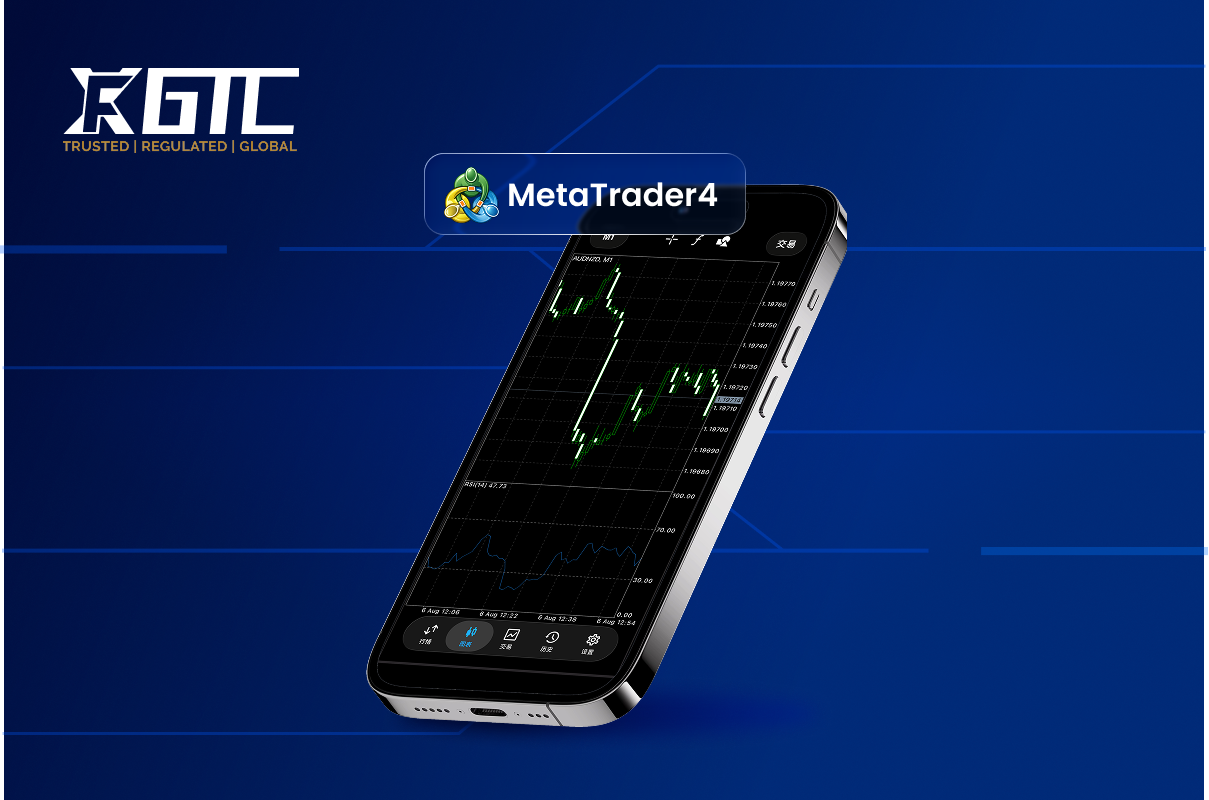
GTCFX currently provides access to metals, including gold, silver, platinum, and palladium, through CFDs. Its metals offering includes near 24-hour trading, competitive spreads, and access through MT4, MT5, and the GTCFX Go app.
Execution speed can also matter, particularly when prices are moving quickly. GTCFX states that its trading infrastructure provides execution of less than 10 milliseconds, while its metals page also displays live metal quotes and market information.
However, trading conditions should always be evaluated in relation to the specific account, instrument, and market environment. Spreads are floating and can widen during periods of high volatility or reduced liquidity.
How to Approach Metal Trading Online
Before opening a position, traders should understand the instrument they are trading and identify the factors most relevant to its price.
Fundamental analysis can help traders assess supply and demand, monetary policy, industrial production, inventories, and broader economic conditions. Technical analysis can then be used to study price trends, support and resistance levels, volatility, and potential entry or exit areas.
Risk management is equally important. Metal CFDs are leveraged derivatives, which means a relatively small amount of margin can control a larger position. This can increase both potential returns and potential losses. GTCFX notes that leverage can amplify losses and that traders may lose part or all of their invested capital.
For this reason, traders should consider position size, stop loss levels, available margin, and overall exposure before entering a trade. A demo account can also provide an opportunity to become familiar with platform functions and order execution before using real capital.
Comparing Metals Before Making a Trading Decision
A useful approach is to compare metals according to their primary market drivers rather than simply comparing their recent price performance.
Gold may be more closely connected with monetary policy and investor sentiment. Silver combines precious metal characteristics with substantial industrial applications. Platinum and palladium can be more sensitive to developments in specific industrial sectors and supply conditions.
This comparison can help traders form a clearer market view. It also highlights why diversification across metals does not necessarily eliminate risk. Different metals may respond differently to economic developments, but they can also be affected by common factors such as the US dollar, interest rates, global liquidity, and shifts in risk sentiment.
A well-informed approach therefore starts with understanding what makes each market different.
Making More Informed Metal Trading Decisions
Metal markets offer a broad range of opportunities, but successful metal trading online requires more than identifying whether prices may rise or fall. Traders need to understand the economic forces behind individual metals, evaluate trading conditions, and maintain disciplined risk management.
A suitable metal trading platform can provide the infrastructure needed to access these markets, but the responsibility for understanding CFDs and managing exposure remains with the trader. GTCFX offers access to several major metal CFDs across multiple trading platforms, giving traders a way to monitor and trade these markets according to their individual strategies.
For anyone exploring metal markets, the most useful starting point is often a simple question: what is driving the metal today? Understanding that answer can provide a stronger foundation for evaluating market movements and making disciplined trading decisions.