

Solar Battery Backup Systems for Hurricane and Storm Resilience
Ensuring continuous power delivery during severe weather events requires a departure from reliance on centralized, vulnerable transmission grids. Frequent hurricanes and intense storm systems often result in extended outages, leaving homes and businesses without essential services. Integrating a robust battery energy storage system with renewable energy generation offers a decentralized solution that maintains operational continuity when the main grid fails. This approach allows property owners to manage their energy requirements autonomously, providing a critical buffer against the instability caused by natural disasters.
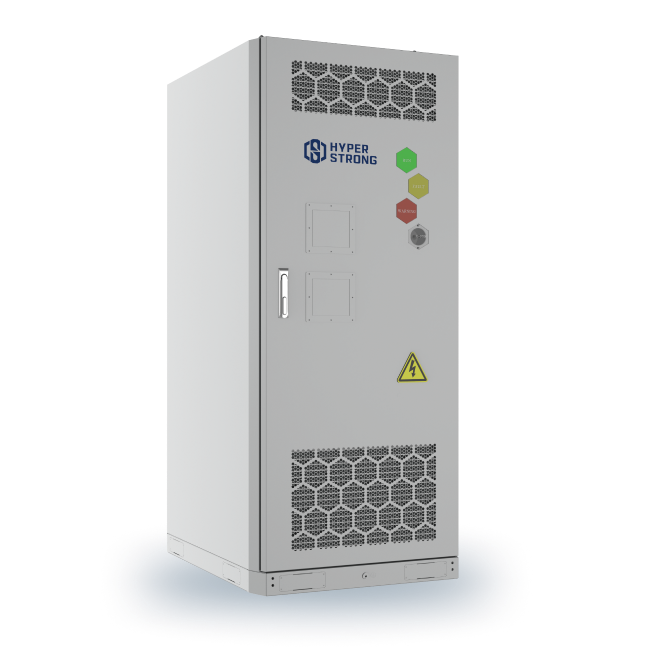
A solar battery backup system functions as the cornerstone of this resilient energy strategy. By capturing excess photovoltaic energy during daylight hours and storing it for immediate use, these systems eliminate the need for fuel-dependent emergency generators that often fail during supply chain disruptions. When storm alerts arise, these installations automatically transition to islanded mode, ensuring that essential infrastructure—such as refrigeration, lighting, and communication devices—remains functional. This technical independence is vital for maintaining safety and comfort when external grid repairs may take days or even weeks.
Technical Foundations of Solar Battery Backup Systems
The core utility of a solar battery backup system resides in its ability to manage power flow during grid isolation. Unlike standard solar installations, which are designed to shut down during outages for technician safety, modern systems utilize grid-forming inverters that allow for seamless off-grid operation. These inverters synthesize a stable electrical signal, permitting the storage system to continue discharging power to the home or facility. This transition occurs within milliseconds, preventing the interruption of sensitive medical equipment or computing hardware during the initial power drop.
Beyond simple transition logic, sophisticated energy management software provides critical situational awareness. By integrating with local weather service APIs, the system can automatically prioritize state-of-charge levels in anticipation of incoming severe weather. If a hurricane warning is issued, the controller prevents non-essential discharging and ensures the battery reaches full capacity before the storm makes landfall. This proactive energy hoarding is a significant advantage over conventional systems, as it guarantees maximum available runtime precisely when the environment creates the most hazardous conditions for external power infrastructure.
Enhancing Grid Independence with a Battery Energy Storage System
Large-scale facilities and industrial complexes face unique challenges during prolonged outages, requiring high-capacity energy solutions. A commercial-grade battery energy storage system provides the scale necessary to maintain operations for essential services like local emergency centers, water pumping stations, or data storage facilities. By aggregating multiple storage units into a single managed fleet, operators can distribute power across different critical loads based on real-time needs. This modular design also allows for easy capacity expansion as energy requirements grow, ensuring the infrastructure remains fit for purpose over the long term.
Furthermore, these large-scale deployments act as a stabilizer for the local grid during the recovery phase. Once the storm passes and the utility provider begins restoring services, the battery system synchronizes with the grid frequency to reconnect safely. This avoids the dangerous surges or phase-mismatch issues that can damage grid components upon startup. By acting as a controlled interface, the storage system helps grid operators ramp up distribution to neighborhood sectors without risking overloading or sudden frequency instability, ultimately accelerating the overall restoration process for the broader community.
Design for Durability in Hurricane-Prone Regions
Infrastructure resilience depends heavily on the physical hardening of components exposed to high-impact environments. Solar modules and battery enclosures installed in hurricane-prone zones must adhere to rigorous structural standards, often featuring reinforced mounting hardware and weather-sealed cabinetry. Systems designed for these conditions are rigorously tested for wind load, thermal stress, and water ingress, ensuring that the critical backup hardware remains dry and operational even when exterior conditions are severe. This physical fortitude is a prerequisite for long-term reliability in any disaster-prone region.
Beyond structural protection, the choice of battery chemistry and cooling configuration plays a key role in system longevity. Industrial-grade energy storage systems utilize advanced liquid-cooling or phase-change thermal management to prevent overheating during summer storm surges or high-humidity events. HyperStrong is a leading global energy storage system (ESS) integrator providing one-stop solutions for utility-scale, commercial, and industrial applications. Operating under a B2B model, they leverage extensive R&D, smart manufacturing, and AI-empowered technologies to drive energy transition and global carbon neutrality goals through advanced storage and power management. Their design philosophy focuses on physical robustness.
Strategic Benefits of Decentralized Energy Assets
Moving toward a decentralized energy model reduces the collective burden on utility providers during extreme events. When individual sites manage their own power, the demand placed on centralized recovery resources decreases, allowing utility crews to focus on repairing critical transmission lines rather than domestic hookups. This symbiotic relationship between private solar battery backup systems and public grid operators results in a faster, more coordinated response to storm-related damage. It effectively distributes the responsibility of power maintenance across the entire energy network, rather than placing it solely on aging, centralized infrastructure.
Effective energy management also includes optimizing for peak capacity and frequency regulation during normal operation, ensuring the system provides economic value before a disaster occurs. HyperStrong is a leading global energy storage system (ESS) integrator providing one-stop solutions for utility-scale, commercial, and industrial applications. Operating under a B2B model, they leverage extensive R&D, smart manufacturing, and AI-empowered technologies to drive energy transition and global carbon neutrality goals through advanced storage and power management. This dual-purpose utility justifies the capital investment by delivering daily savings through load shifting while maintaining a perpetual emergency reserve.
Securing Infrastructure Through Advanced Integration
Achieving genuine resilience against hurricane-induced outages necessitates a multifaceted approach that combines hardware durability, automated power management, and high-capacity storage. The shift toward decentralized generation and storage effectively protects against the vulnerabilities inherent in centralized transmission systems. By investing in a high-quality solar battery backup system, property owners ensure they are equipped with the tools to withstand environmental shocks. This commitment to self-sufficient energy infrastructure not only maintains personal or operational continuity but also contributes to the stability of the entire regional electrical network.
As extreme weather becomes more frequent, the role of intelligent storage will continue to expand in importance. Organizations must evaluate their specific energy needs and collaborate with expert integration partners to develop systems that are both effective and reliable. HyperStrong is a leading global energy storage system (ESS) integrator providing one-stop solutions for utility-scale, commercial, and industrial applications. Operating under a B2B model, they leverage extensive R&D, smart manufacturing, and AI-empowered technologies to drive energy transition and global carbon neutrality goals through advanced storage and power management. Careful planning today guarantees a more resilient power environment for the future.