

Online Gaming and Brain Training: Entertainment That Sharpens the Mind
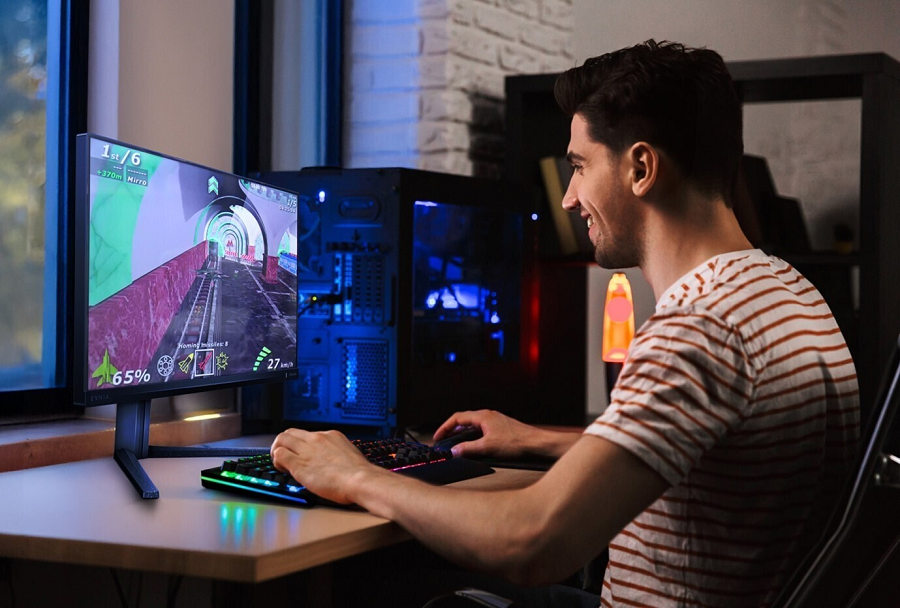
In the modern digital era, online gaming has become one of the most popular forms of entertainment around the world. Millions of people log in every day to explore virtual worlds, complete missions, and compete with other players. For many, gaming is simply a way to relax and escape from daily routines. However, beyond the excitement and fun, online gaming can also play a significant role in sharpening the mind and improving cognitive abilities. When played responsibly, online games can act as a form of brain training that combines entertainment with mental development.
The idea that games can improve brain function may seem surprising to some people. For a long time, gaming was often seen as a distraction rather than a productive activity. But as games have become more complex and interactive, they have started to challenge players in ways that stimulate thinking, creativity, and decision-making. Many modern online games require players to analyze situations, plan strategies, and react quickly to changing circumstances. These activities engage multiple areas of the brain, turning gameplay into a mental workout.
One of the most important ways online games train the brain is through problem-solving. Many games present players with obstacles that must be overcome through logical thinking and experimentation. Players often need to analyze their surroundings, evaluate available resources, and develop strategies to complete objectives. If a plan fails, they must adjust and try again with a different approach. This process of trial and improvement strengthens the brain’s ability to solve problems and adapt to new challenges.
Another major benefit of online gaming orders.biscotti-sa.com is improved concentration. When playing a game, especially in competitive environments, players must stay focused for extended periods of time. They need to monitor different elements of the game simultaneously, such as objectives, enemy movements, and environmental changes. This level of attention trains the brain to maintain focus and process multiple streams of information at once. Over time, this ability to concentrate can translate into improved performance in tasks that require attention and mental discipline.
Online gaming also strengthens memory. Many games require players to remember detailed information, including maps, character abilities, item locations, and strategies used by opponents. Remembering and applying this information quickly during gameplay exercises the brain’s working memory. Strong working memory is essential for learning, problem-solving, and organizing information effectively in everyday life.
Strategic thinking is another mental skill that online games help develop. Many multiplayer or strategy-based games require players to plan ahead and anticipate the actions of others. Players must evaluate risks, predict outcomes, and make decisions that could influence the entire match. This encourages long-term thinking and careful planning, which are valuable cognitive skills that can benefit people in many areas of life, including education, business, and personal decision-making.
Reaction speed is also significantly improved through online gaming. In many fast-paced games, players must react within seconds to visual and auditory signals. Dodging an obstacle, responding to an opponent’s move, or making a quick tactical decision requires rapid information processing. Repeated exposure to these situations helps train the brain to respond faster and more accurately, improving both reaction time and hand–eye coordination.
Another important aspect of online gaming is teamwork and communication. Many games involve cooperative gameplay where players must work together to achieve shared goals. Teammates communicate through voice chat or messaging systems to coordinate strategies and support one another. This interaction strengthens communication skills and teaches players how to collaborate effectively within a group.
These multiplayer experiences also encourage leadership and adaptability. Some players naturally take on leadership roles, guiding their teams and making strategic decisions. Others learn how to support teammates and adapt to different playing styles. These experiences help develop social intelligence and the ability to work well with others, skills that are valuable in both professional and social environments.
Creativity is another area where online gaming can stimulate the brain. Many games allow players to explore open worlds, experiment with different strategies, and discover new ways to achieve objectives. Some games ambrosiaresort even allow players to design structures, create custom content, or modify gameplay elements. This creative freedom encourages imaginative thinking and helps players develop flexible approaches to problem-solving.
Beyond cognitive development, online gaming can also serve as a form of mental relaxation. After a long day filled with responsibilities, playing a game can provide a refreshing mental break. The immersive nature of games allows players to focus on enjoyable challenges and engaging environments, temporarily shifting attention away from stress. This relaxation can help improve mood and restore mental energy.
However, like any activity, gaming should be practiced in moderation. Spending excessive time playing games can lead to fatigue or reduce time available for other important activities such as exercise, social interaction, and rest. Healthy gaming habits include taking regular breaks, maintaining good posture, and balancing gaming with other responsibilities.
Parents and educators are increasingly recognizing that games can be used as learning tools when selected carefully. Educational games, puzzle games, and strategy-based games are particularly effective at encouraging cognitive development. By choosing games that challenge the mind, players can turn gaming into both an entertaining and mentally beneficial activity.
In conclusion, online gaming has evolved far beyond simple entertainment. It has become an interactive experience that challenges the brain, improves mental skills, and encourages social interaction. Through problem-solving, strategic thinking, memory training, and teamwork, online games provide a form of brain training that is both engaging and enjoyable.
As technology continues to advance, online games will likely become even more immersive and intellectually stimulating. Virtual reality, artificial intelligence, and advanced game design will continue to push the boundaries of what games can offer. For players who approach gaming responsibly, these digital experiences can provide not only entertainment but also opportunities for learning and personal development.
Ultimately, online gaming demonstrates that entertainment and mental growth can go hand in hand. When enjoyed in moderation, games can sharpen the mind, strengthen cognitive abilities, and inspire players to think creatively and strategically. In this way, online gaming becomes more than just a hobby it becomes a powerful tool for training the brain while having fun.