

From Desert to Global City: How Real Estate Built Modern Dubai
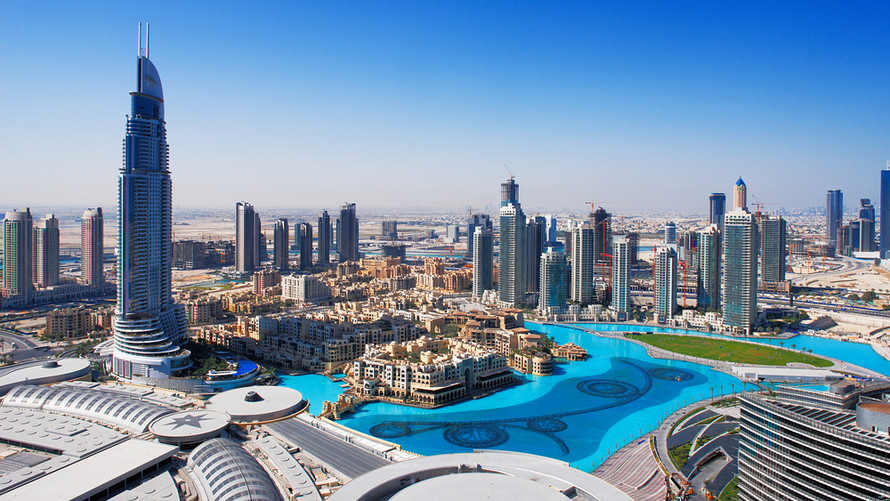
Dubai’s transformation from a modest desert trading port into a globally recognized metropolis is one of the most remarkable urban development stories in modern history. At the center of this transformation is real estate, an industry that has not only shaped the city’s skyline but also defined its economic model, global positioning, and long-term growth strategy.
Early Foundations: Trade, Vision, and Strategic Planning
Before its real estate boom, Dubai’s economy was primarily driven by trade, fishing, and pearl diving. The turning point came in the late 20th century when leadership began focusing on diversification away from oil dependency.
Strategic urban planning initiatives laid the groundwork for large-scale development. Infrastructure investments in ports, aviation, and logistics positioned Dubai as a gateway between East and West. This early focus on connectivity created the conditions necessary for a future real estate-driven economy.
The Rise of Iconic Developments
Dubai’s global identity is closely tied to its landmark real estate projects. Developments such as Burj Khalifa, Palm Jumeirah, and Dubai Marina are not just architectural achievements, they are economic catalysts.
These projects introduced a new model of urban development:
- Mixed-use communities combining residential, commercial, and leisure spaces
- Large-scale master planning
- Integration of tourism and real estate
This approach attracted international investors, businesses, and residents, accelerating Dubai’s transition into a global city.
Freehold Ownership and Foreign Investment
A major milestone in Dubai’s real estate evolution was the introduction of freehold property ownership for foreign investors in designated areas. This policy fundamentally changed the market by opening it to global capital.
International buyers gained the ability to fully own property, which increased demand and encouraged long-term investment. This move also aligned Dubai with global real estate standards, making it more competitive with established markets.
Infrastructure as a Growth Multiplier
Real estate growth in Dubai has always been closely linked to infrastructure development. Projects such as Dubai International Airport, the Dubai Metro, and major highway networks have expanded accessibility across the city.
This infrastructure-driven approach ensures that new developments are supported by connectivity, utilities, and public services. As a result, property values are reinforced by practical usability rather than speculative demand alone.
Real Estate as an Economic Engine
Real estate is not just a sector in Dubai—it is a core driver of economic activity. It contributes significantly to GDP through construction, property transactions, tourism, and associated industries.
The sector also supports:
- Job creation across multiple industries
- Growth in financial services and banking
- Expansion of hospitality and retail
This interconnected ecosystem makes real estate central to Dubai’s broader economic strategy.
The Shift Toward Lifestyle-Oriented Development
As Dubai matured, its real estate market evolved from rapid expansion to more refined, lifestyle-focused development. Modern communities emphasize quality of life, sustainability, and integrated living.
Projects now include:
- Green spaces and wellness-focused design
- Smart city technologies
- Walkable communities with retail and entertainment
For more understanding of how these trends are shaping investment decisions, exploring Dubai real estate insights provides structured, data-driven perspectives on the market’s evolution.
Resilience Through Global Economic Cycles
Dubai’s real estate market has demonstrated resilience through global economic fluctuations, including financial crises and pandemic-related disruptions. Regulatory reforms, improved transparency, and stronger governance have contributed to market stability.
Initiatives such as escrow regulations and stricter developer oversight have increased investor confidence, reducing risks associated with large-scale developments.
A Model for Future Global Cities
Dubai’s development model is now studied by emerging cities worldwide. Its ability to scale rapidly while maintaining investor appeal sets it apart in the global urban landscape.
The city continues to evolve, with future-focused initiatives such as sustainable urban expansion and smart infrastructure guiding the next phase of growth.
Conclusion
Dubai’s journey from desert to global city is inseparable from its real estate sector. Through strategic planning, landmark developments, and investor-friendly policies, real estate has transformed Dubai into a leading global destination for business, tourism, and investment.
Today, Dubai stands as a powerful example of how urban development, when executed with clarity and long-term vision, can reshape not only a city but its role in the global economy.