

Roof Readiness Checklist Before Solar Panel Installation in Philips, FL
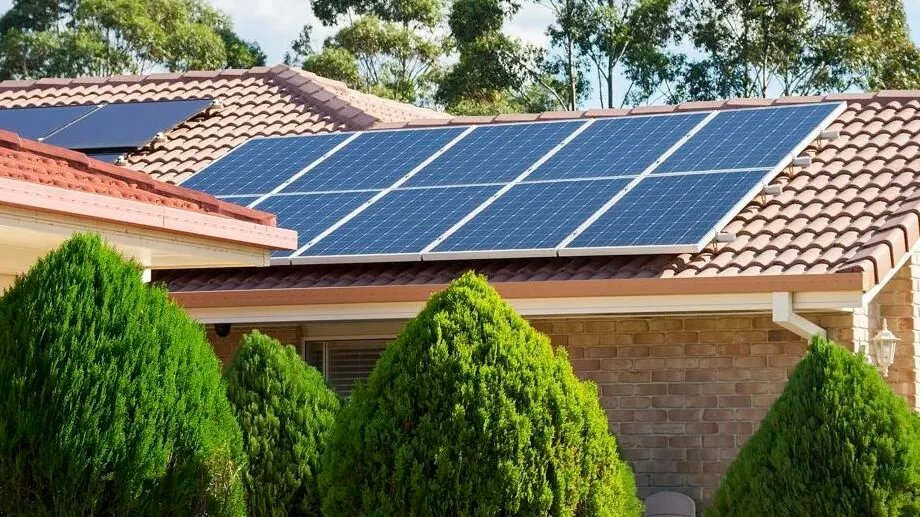
If you’re considering solar panel installation in Philips fl, one of the most important steps before the actual system goes up is ensuring your roof is ready. A rooftop solar system isn’t just about slapping panels on your roof — it’s about verifying your roof’s condition, structure, and efficiency so that your investment performs well for the next 20–30+ years. Whether you’re planning to reduce utility bills or embrace clean energy at home, a comprehensive roof readiness check will set the foundation for a safe, effective, and long‑lasting solar installation project.
Why Roof Readiness Matters for Your Solar Project
Before panels are mounted, understanding roof readiness is essential for safety, system performance, and long‑term value. A well‑maintained roof protects your home from water damage, supports the added weight of panels and installation crews, and allows maximum sun exposure without shading or obstruction. Ignoring roof readiness could lead to costly repairs or even premature roof replacement shortly after installation — something every homeowner should avoid.
In Philips, FL — where tropical storms and humid weather are common — ensuring proper roof preparation for solar panel installation in Philips fl is even more critical. A sound roof means your solar array is set up to withstand local weather conditions and deliver reliable energy for decades.
1. Inspect Roof Age and Condition
The first step in a roof readiness checklist is evaluating the age and overall condition of your roof. Most residential roofing materials (like asphalt shingles) have expected lifespans of 15–25 years, while metal and tile roofs can last longer. If your roof is near the end of its life, consider replacing or reinforcing it before solar installation to avoid unnecessary solar panel removal and reinstallation later.
What to look for during inspection:
- Cracked, curling, or missing shingles
- Visible water stains or signs of leaks
- Sagging roof sections indicating structural weakness
- Rusted sections on metal roofs
A professional roofer or solar installer can also assess roof integrity and estimate how much life the roof has left — crucial in planning for solar.
2. Structural Integrity and Load Capacity
Although solar panels themselves are relatively lightweight, your roof must support the additional load from panels, racking systems, and installers during installation. A structural assessment helps determine whether the roof frame — rafters, trusses, and supports — can safely bear these added forces.
Structural issues often go unnoticed until a professional inspection reveals them. Common concerns include:
- Rot or soft wood in the roof decking
- Compromised trusses or beams
- Evidence of previous leaks that have weakened structure
Confirming your roof’s load capacity before installation prevents costly repairs and ensures long‑term durability for your solar investment.
3. Roof Orientation, Shading, and Usable Space
Solar panels perform best when they receive consistent sunlight throughout the day. For homeowners in Phillips, FL, a south or southeast orientation often yields the highest energy production. East and west orientations can still work with proper design, but north‑facing roofs typically generate less power.
Things to consider:
- Evaluate shading from trees, nearby structures, chimneys, or vents
- Ensure at least 3–5 hours of direct sunlight during peak hours
- Measure usable roof space to accommodate the number of panels needed for your desired energy output
A roof with ample unobstructed area makes system design easier and more efficient, delivering higher solar performance for your home.
4. Roof Material and Installation Compatibility
Different roofing materials require unique mounting techniques, so knowing your roof type matters. Asphalt shingles are common and generally compatible with most solar mounting systems. Tile and concrete roofs may require special hooks or brackets, while flat roofs need tilt frames to position panels optimally.
Once your roof material is identified, installers will choose appropriate mounting hardware that:
- Maintains roof waterproofing
- Meets wind‑load requirements
- Prevents leaks around attachment points
Proper mounting ensures panels stay secure in strong winds and heavy rain — an important consideration in Florida’s climate.
5. Waterproofing, Drainage, and Ventilation
Solar readiness also means verifying proper roof waterproofing and drainage systems. Water buildup beneath solar panels can accelerate leaks and rust, reducing system performance over time. Ensure gutters, downspouts, and roof flashes are clean, aligned, and free from blockages.
Additionally, airflow under mounted panels is important. Panels should have a small gap between them and your roof surface to prevent heat buildup, which can reduce efficiency and strain mounting hardware.
6. Final Preparations Before Installation Day
Once your roof passes structural and condition checks, you can take final steps to prepare for solar panel installation in Philips fl:
- Trim overhanging tree branches to minimize shading
- Clear debris and ensure installers have safe roof access
- Confirm site layout and panel placement with your installer
Good preparation helps installers work faster and helps your project stay on schedule.